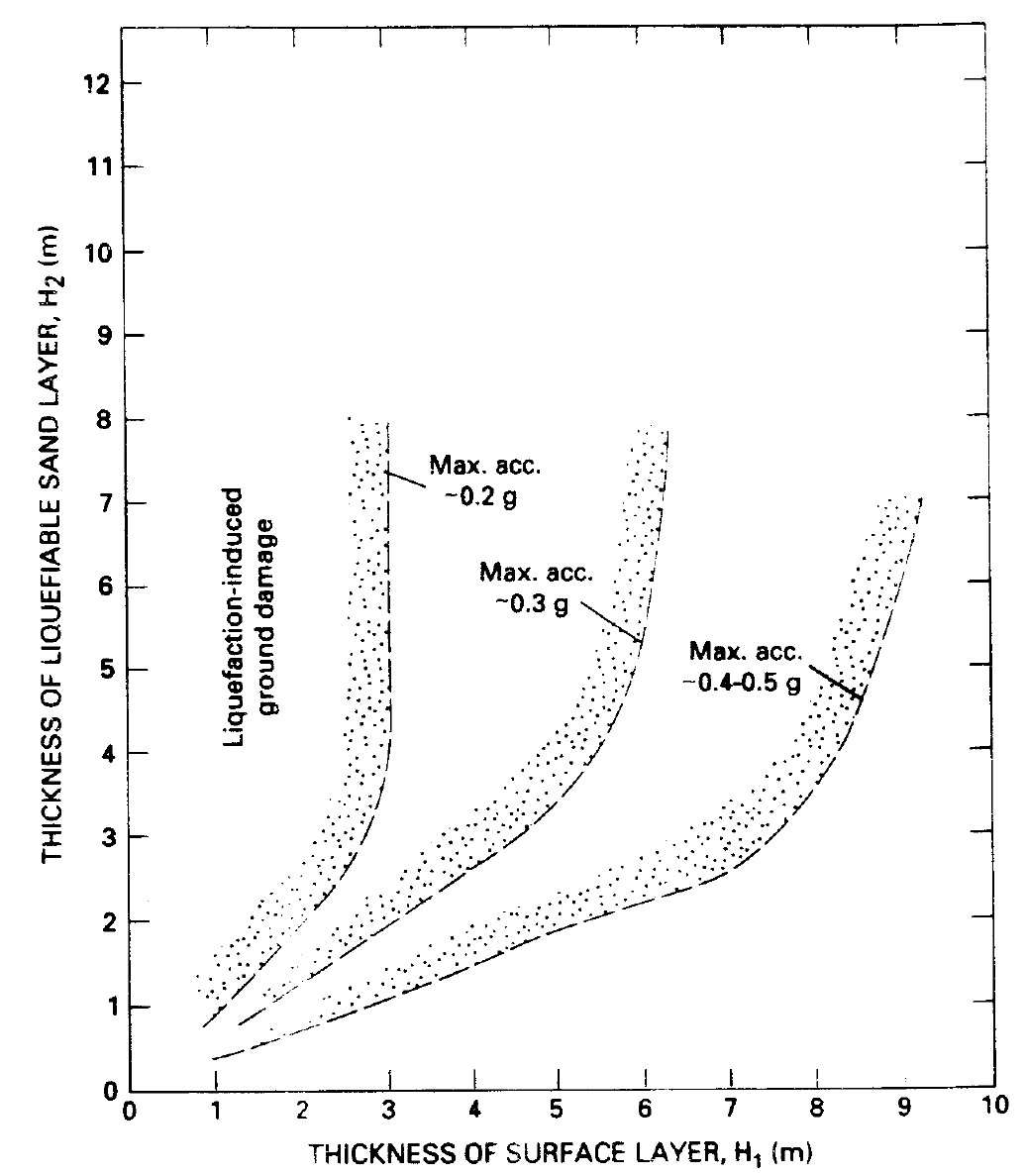
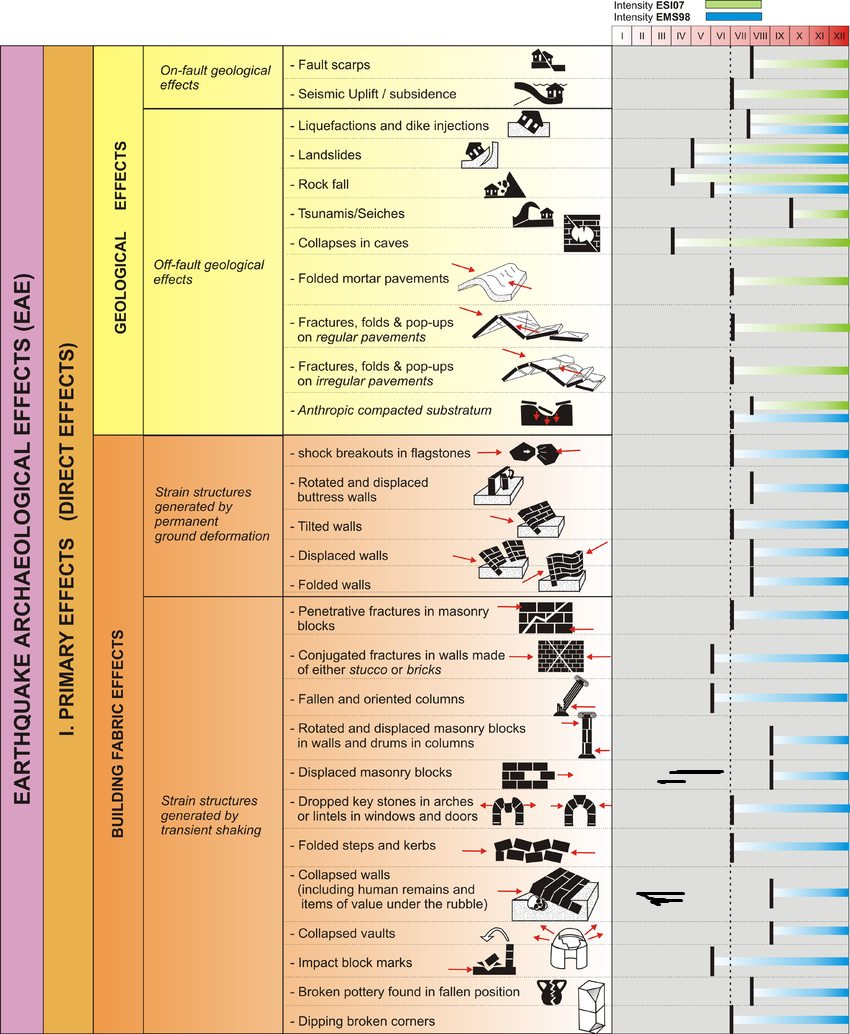
- 2000-3000 foot long Earth Fissure
- Sand Boils
|
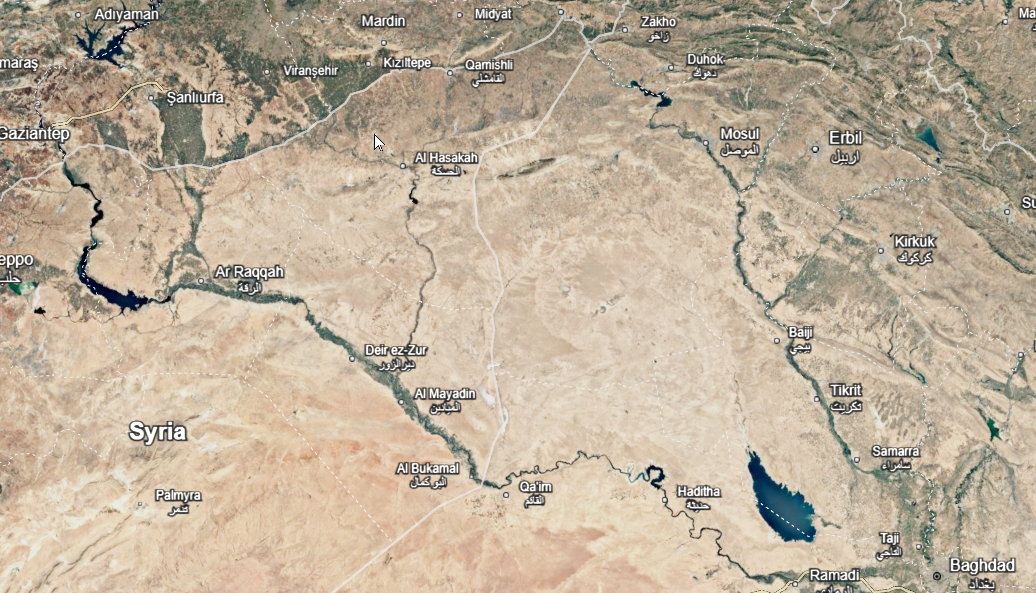
Jazira |
|
- "9th year of Constantine ...
[Porrò] On the 8th of February [eiusdem] 3rd indiction, the son Leo was born to emperor Constantine from the daughter of Chagan of Chazaria.
That same year there was an earthquake in Syria, an enormous and terrible [calamity]. Many died. A spring [moved ?]. In another place
in the mountains, a village moved for about six miles with its walls and homes intact and without any small thing dying.
Finally, In Mesopotamia, the earth split two thousand [feet?] and out of the chasm came a different soil which was white and sandy. Out of
this chasm emerged a spotless mule speaking in a human voice which predicted an invasion by a foreign army into the land of the Arabs.
This came true." –
Paul the Deacon
- "Emperor Constantines 9th year
... That year there was an earthquake in Syria, a terrible calamity. Many died. A spring [moved?]. In
another place in the mountains, a village moved with its walls and homes intact for 6 Roman miles. Finally
in Mesopotamia, the earth split two thousand feet and out of the chasm came a white sandy soil and a
spotless mule which spoke in a human voice and prophesied that the Arab lands would be invaded
by a foreign army. And this prophecy came true." –
Anastasius Bibliothecarius
- "[A.M. 6241, AD 748/9]
In this year Marouam was pursued by the
Maurophoroi, who captured
him and killed him after waging a very heavy war. They were commanded by
Salim, son of Alim, one of the aforementioned fugitives who had sent Aboumouslim
on his mission. The rest of them gathered in Samaria and Trachonitis and awarded
their leadership by lot to Aboulabas, and next to him to his brother Abdela, and
next to the latter to
Ise Ibinmouse. II They appointed Abdela, son of Alim and
brother of Salim, to be commander in Syria; Salim himself to be commander in Egypt;
while Abdela, brother of Aboulabas (from whom he received the nomination to the command) they appointed over
Mesopotamia. II Aboulabas himself, who was in supreme authority,
established his seat in Persia, the government and all the seized treasure
(which Marouam had carried away) having been transferred to him and his Persian
allies from Damascus. Marouam's surviving sons and relatives went from Egypt to
Africa, whence they crossed the narrow sea that separates Libya from Europe next to
the Ocean at a place called Septai and settled until this day in Spain of Europe, where some kinsmen and
correligionists of theirs had come to dwell at an earlier time — the latter being descendants of
Mauias who had suffered shipwreck there. The devastation in the days of Marouam lasted six years
and in the course of it all the prominent cities of Syria lost their walls except
Antioch, which he planned to use as a refuge. Innumerable Arabs were also killed by
him for he was very cunning in civil matters. He belonged to the heresy of the
Epicureans, that is Automatists, an impiety he had imbued from the pagans who dwell at Harran.
II On 25 January of the same 3rd indiction a son was born to the
emperor Constantine by the daughter of the Chagan of Chazaria and
he called him Leo. In the same year there was an earthquake and
terrible destruction in Syria, as a result of which some cities were entirely destroyed,
others partially so, while others slid down entire, with their walls and houses, from positions
on mountains to low-lying plains, a distance of six miles or thereabout. Eyewitnesses
affirmed that the ground in Mesopotamia was split along two miles and that out of the chasm was
thrown up a different soil, very white and sandy, in the midst of which, they said, there came up an animal
like a mule, quite spotless, that spoke in a human voice and
announced the incursion of a certain nation from the desert against the Arabs, which indeed came to pass.
The next year, on the feast of holy Pentecost the impious emperor Constantine
conferred the imperial crown on his son Leo by the hand of the false patriarch Anastasios
who shared his views. II" –
Theophanes
- "69. Thereafter a son was born to the emperor, whom he named Leo. At the same time a severe earthquake occurred
in Syria, causing enormous damage. For some cities that were there (were completely destroyed and) the ground
round about opened up to a great extent, while others suffered this fate but partially. Others were shifted from
their high positions and slipped down entire, with their walls and houses, to the plains below, moving a distance of
as much as six miles, more or less, from their original situation. Some affirmed they had seen the ground in
Mesopotamia (which is near Syria) crack deeply along (a distance) of two miles, and another ground, sandy and
very white, thrown up from below; and that along with the latter was cast up a female mule, which proclaimed
in a human voice the destruction of the Arabs. A short time thereafter a tribe appeared from the desert beyond
and slew many multitudes (of Arabs) without resistance." –
Nikephoros I of Constantinople
- "That year there was a powerful earthquake in Syria. Some cities were destroyed - others only partly so. In one place,
a village moved with its walls and buildings intact. In Mesopotamia, the earth split three thousand feet and a white sandy soil
came out of the chasm. Then an incredible thing - an onager emerged speaking of human affairs and
predicted a foreign invasion - which happened a short time later." –
Georgius Monachus (George the Monk), also known as Georgius Hamartolos (George the Sinner)
- "In the ninth year of Constanine,
Marnamus was killed in the war with the
Abbasids.
On 25 January, a son Leo was born to
Constantine
[from his wife] Irena,
the daughter of Chazara.
At the same time, there was a serious earthquake and terrible destruction in Syria. Some cities were destroyed [and] others partly destroyed.
In some place[s?], in the mountains, a village[s?] slid down the mountain for a distance of 6 miles with their houses and buildings intact.
Further, in Mesopotamia the earth was split for two thousand steps [~feet] and out of that chasm came a different type of white soil
from which a emerged a mule who spoke a prophecy in a human voice - that a nation from the desert would invade the Arab lands. The prophecy came true." –
George Cedrenus
- "the land split in Mesopotamia and a mule came out speaking of the affairs of men and predicted invasion by a foreign army." –
Michael Glycas
|

 Jazira