Open this page in a new tab

Tell Tuneinir

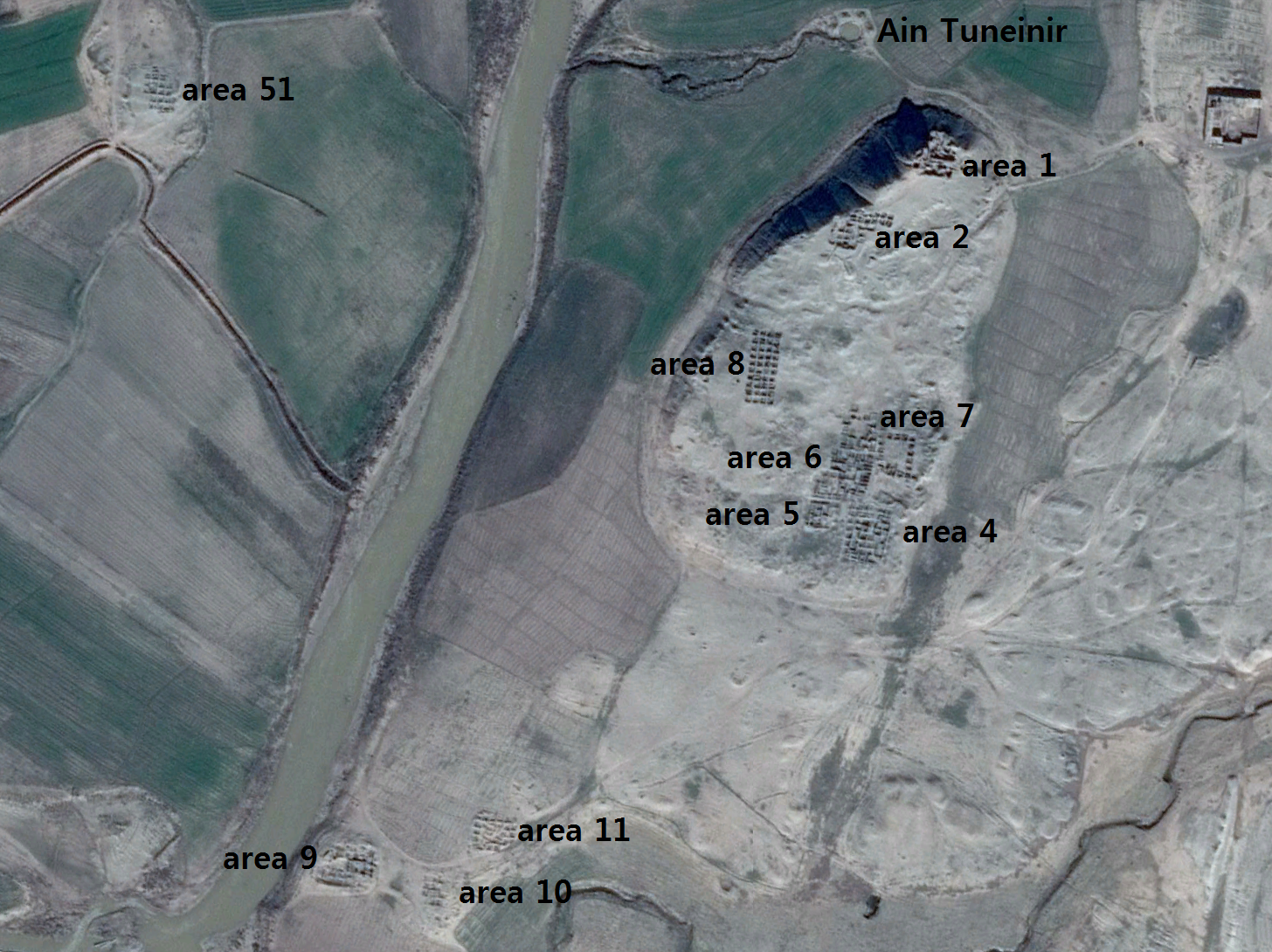
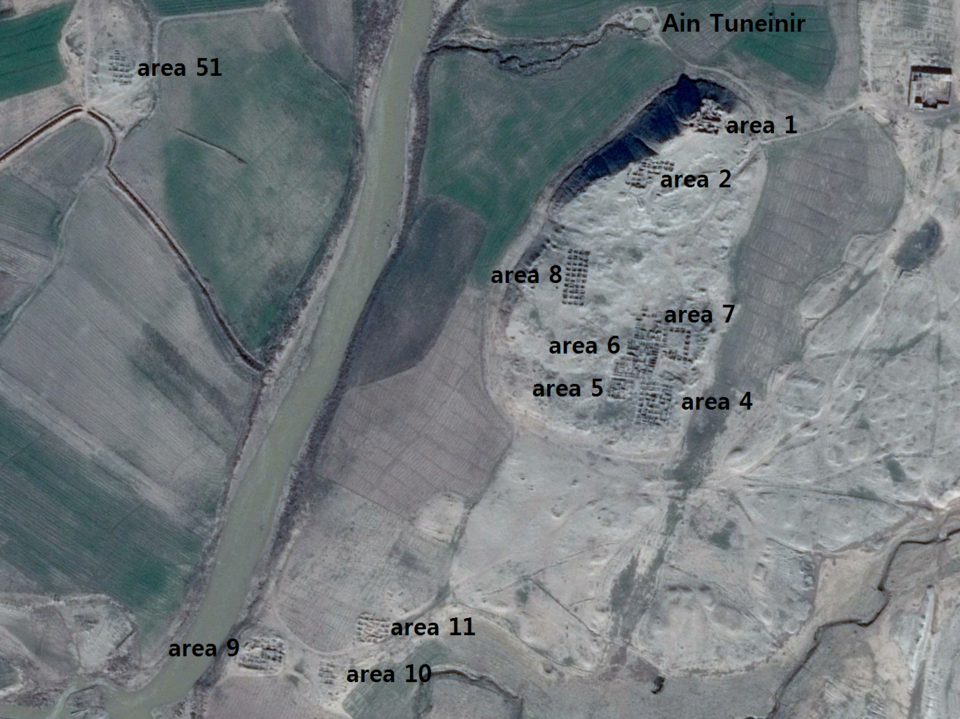
Tell Tuneinir Excavation Areas

click on image to open in a new tab

Attar-Aram syria - Wikipedia - CC BY-SA 4.0


Names
Transliterated Name Language Name
Tell Tuneinir Modern archaeological
Tell Tuneinir Arabic تل التنينير
Tell Tunaynir Arabic (variant translit.) تل تنينير
Tell Tneinir Scholarly variant
Tuneinir Syriac (translit.) ܬܘܢܝܢܝܪ
Tunēnir Syriac (scholarly translit.) ܬܘܢܝܢܝܪ
Tuneynir English variant
Tuneinir English / archaeological usage
Introduction
Introduction

Tell Tuneinir is an archaeological mound situated on the lower Khabur River in northeastern Syria, within the broader Jazira region of upper Mesopotamia. Positioned along a fertile riverine corridor that has supported continuous settlement since antiquity, the site occupies a strategic location within a landscape defined by agriculture, water management, and regional connectivity between the Euphrates basin and northern Syria.

The tell preserves a long occupational sequence, with evidence ranging from earlier Mesopotamian periods through Late Antiquity and into the medieval era. Its greatest prominence appears to fall within the Late Roman and Byzantine periods, when the settlement developed into a substantial local center. Archaeological excavations have revealed domestic architecture, fortifications, and ecclesiastical remains, indicating an organized community integrated into the administrative and economic systems of the late antique Near East.

In Syriac sources, the site is identified with a settlement known as Tuneinir (or variants thereof), and it formed part of the wider network of Syriac- speaking Christian communities in the Khabur basin. This region is well attested in the Gorgias Encyclopedic Dictionary and related bibliographic traditions as a zone of monasteries, churches, and agrarian settlements that flourished between the fourth and eighth centuries CE. The presence of ecclesiastical structures at Tell Tuneinir reflects its role within this religious and cultural landscape.

Arabic geographical traditions, including those of Yāqūt al-Ḥamawī, continue to situate the site within the productive environment of the Jazira, emphasizing its agricultural setting and regional connections. Although never among the largest urban centers, Tell Tuneinir functioned as a durable node within a network of settlements tied together by river systems, trade routes, and ecclesiastical affiliations.

Maps and Aerial Views
Aerial Views

Aerial Views

Normal Size

  • Tell Tuneinir Excavation Areas from Wikipedia
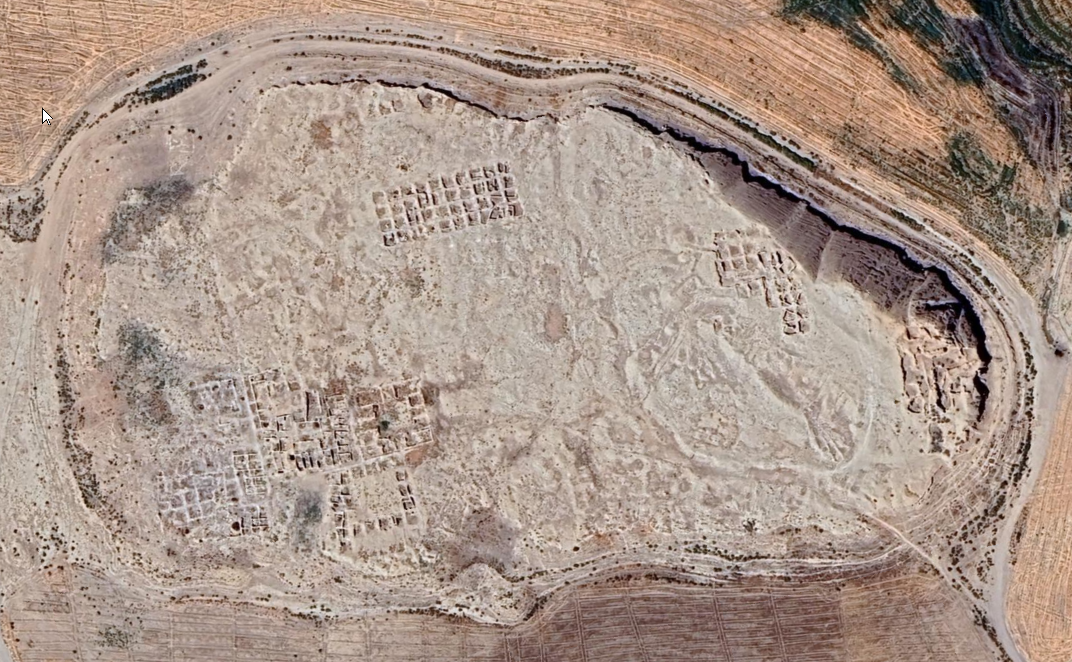
  • Tell Tuneinir in Google Earth

Magnified

  • Tell Tuneinir Excavation Areas from Wikipedia
  • Tell Tuneinir in Google Earth

Notes and Further Reading
References
Wikipedia pages

Tell Tuneinir